Choosing a thermal fluid by a familiar product name or apparent viscosity can expose a heater to local overheating, contamination and circulation failure. You will be able to distinguish HYTHERM 500 from HYTHERM 600, map the fluid through a closed-loop system, select it against operating conditions, commission it safely and verify a supplier’s documentation.
Key takeaways
- Treat HYTHERM 500 and 600 as separate heat-transfer-fluid grades.
- Match the grade to your system’s operating-temperature range and stability requirements.
- Flush, fill, vent, and leak-check the circuit before applying full heat.
- Ask Bengaluru suppliers for the exact grade, batch number, and technical data sheet.
What HYTHERM 500 and HYTHERM 600 Actually Specify
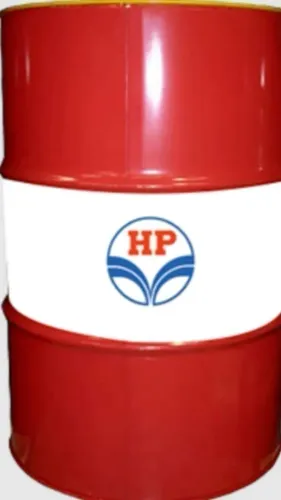
HYTHERM 500 and HYTHERM 600 are separate grades, not interchangeable labels or general-purpose machinery-oil viscosity grades. Their practical distinction is the intended operating-temperature range and thermal-stability margin, so a search for hytherm 500 600 in bengaluru does not identify one interchangeable fluid.
| Grade | What it specifies | What you must verify |
|---|---|---|
| HYTHERM 500 | A defined thermal-fluid grade | Its stated bulk and film-temperature limits in the current HPCL technical data sheet |
| HYTHERM 600 | A different thermal-fluid grade with its own temperature and stability limits | Its stated bulk and film-temperature limits in the current HPCL technical data sheet |
Obtain the current HPCL technical data sheet and identify the exact base-fluid type, whether mineral-oil-based or synthetic, plus the kinematic viscosity grade, density, flash point, fire point, boiling range, pour point, maximum film temperature, recommended bulk temperature and allowable operating temperature.
The term industrial heat transfer oil alone is not enough because these properties vary between formulations.
Choose the grade from three design temperatures: heater outlet temperature, highest bulk-fluid temperature and calculated film temperature. Do not choose from the product name or an ISO-viscosity impression. A measured bulk temperature can look safe while the heater surface exceeds the film limit when flow is low, surfaces are fouled or heat flux is excessive.
That local overheating accelerates cracking, sludge and deposits. The technical data sheet and equipment manual control the exact numeric limits.
How the Fluid Moves Heat Through a Closed Loop
HYTHERM supports indirect heating by circulating through a closed loop, transferring heat through metal surfaces instead of contacting the process material. One loop can serve several users, including process heaters, dryers, ovens, presses, calenders, reactors and heat exchangers.
1. The heater or hot-oil boiler raises the industrial heat transfer oil to the required supply temperature. Fouled surfaces, excessive heat flux or low flow can create a dangerous film-temperature hotspot even when the measured bulk temperature looks acceptable.
2. The expansion tank absorbs the oil’s increase in volume as temperature rises. Connect it on the low-pressure side of the circulation pump, with a full-size, unrestricted connection; a restricted line can promote cavitation, air ingress and loss of circulation.
3. The circulation pump draws from a flooded suction. Confirm adequate liquid level and suction pressure, because vapour at the impeller causes cavitation, noise, vibration and reduced flow.
4. The pump sends hot oil through supply piping to each jacketed reactor, coil, dryer, oven, press, calender or other heat exchanger. Heat crosses the jacket, coil or exchanger wall into the process material or secondary fluid.
5. Return piping carries cooler oil back to the heater for reheating. Install flow switches, differential-pressure monitoring and high-temperature trips so a blocked line or failing pump stops heating before local overheating damages the fluid.
6. A nitrogen blanket reduces hot-oil contact with oxygen in the expansion tank. It cannot correct poor circulation, excessive film temperature or inadequate expansion volume.
How to Match the Grade to the System and the Alternative
Choose HYTHERM 500 or HYTHERM 600 from the installation’s design point, not from whichever drum is available. Compare required supply and return temperatures, heater outlet temperature and calculated film temperature, then check system pressure, heat load, heater type, pump capability, pipe diameter and expected flow.
The current HPCL technical data sheet controls the allowable bulk and film temperatures.
Confirm that seals, hoses, gaskets, valves and expansion-tank materials tolerate the selected industrial heat transfer oil. Low flow or excessive heat flux can push the heater surface beyond the film limit even when the measured bulk temperature looks safe.
| Option | Strength | Limitation |
|---|---|---|
| HYTHERM oil | Liquid-phase heat at lower system pressure; no water freezing | Flammable; requires oxidation and degradation control |
| Steam | High heat-transfer performance | Requires pressure vessels, condensate management and corrosion control |
| Water-glycol | Suits lower-temperature service | Freezing risk, higher viscosity and lower heat capacity than water |
| Synthetic fluid | Can extend temperature capability | Higher cost; still requires seal and stability checks |
HYTHERM is the wrong choice for service beyond its film-temperature limit, oxygen-sensitive designs without suitable nitrogen blanketing, food-contact duty without the required grade and documentation, or systems requiring a nonflammable fluid. Synthetic fluid is not automatically safer, and nitrogen cannot correct poor circulation or excessive film temperature.
How to Commission and Monitor a Thermal-Oil Circuit
Commission the circuit dry, with the correct fluid inventory and an open, unrestricted expansion-tank connection. Water flashes into steam during heat-up, causing pressure excursions, pump noise, erratic circulation and discharge through vents or the expansion system.
1. Drain unsuitable residual oil completely. Do not mix unknown oil with the new thermal fluid.
2. Flush the circuit, then filter the flush medium before disposal or reuse. Inspect and clean every strainer; debris can restrict flow and create heater hot spots.
3. Confirm that the expansion tank connects on the pump suction, low-pressure side, with no restricted valve or undersized line. Check its cold-fill level.
4. Calculate inventory from the actual piping, heater, users and expansion vessel. Fill the cold circuit to the specified level: cold overfill removes expansion space, while underfill can expose the heater or make the pump draw vapour.
5. Check pump suction, then remove trapped air through the designed vent points. Air pockets cause cavitation, unstable flow and local overheating.
6. Verify circulation flow, differential pressure, flow switches, alarms, high-temperature trips, and high- and low-level protection before firing the heater.
7. Raise temperature gradually within the current HPCL technical data sheet and equipment maker’s limits. Increase venting and watch flow during initial heating.
Trend condition data, not colour alone: ASTM D445 kinematic viscosity, ASTM D92 flash point, ASTM D6304 water, acidity, insolubles and sludge. Rising viscosity or insolubles indicates oxidation, cracking or deposits; a falling flash point suggests contamination or lighter degradation products.
How to Buy the Correct Grade in Bengaluru
A Bengaluru listing is a lead, not proof that the seller is authorised or that the fluid suits your circuit. Searches for general purpose machinery oil wholesalers HP, general purpose machinery oil wholesalers HP Hytherm in Bengaluru and heat transfer fluid suppliers in bengaluru identify possible channels only.
Before accepting a delivery, require these checks:
- State HYTHERM 500 or HYTHERM 600 separately on the purchase order; include pack size, quantity and batch traceability.
- Request a sealed-pack label, batch number, certificate of analysis, current technical data sheet, safety data sheet and traceable invoice.
- Obtain storage instructions, liquid-phase service limits and the recommended start-up procedure for the exact grade.
- Confirm that the supplier can identify the HP-authorised supply route, not merely produce a marketplace listing.
Do not replace HYTHERM with R&O, hydraulic, circulating or gear oil because the viscosity looks similar. Those fluids have different thermal-stability and heat-transfer requirements.
Do not mix HYTHERM 500, HYTHERM 600 or unknown residual oil without compatibility confirmation and a drain, filter and flush plan. Mixing can carry sludge or incompatible base stocks into the heater.
Bangalore Industrial Oils can serve as a local HP-authorised clearing and forwarding distributor and industrial lubricant supplier, but documentation and grade verification—not local availability—should decide the purchase.
Related product
 | HEAT TRANSFERS FLUIDS Bangalore Industrial Oils is a trusted dealer of HYTHERM Series 500/600 Heat Transfer Fluids, offering high-performance thermal oils designed for... View product → |
Frequently asked questions
Are HYTHERM 500 and HYTHERM 600 interchangeable?
No. They are separate heat-transfer-fluid grades, so choose between them using the system’s operating-temperature range and thermal-stability requirements.
How does heat-transfer oil move heat through a closed loop?
A pump circulates the fluid through the heater and process heat exchanger. The fluid absorbs heat in the heater, releases it at the process equipment, and returns for reheating.
What should you check before commissioning a thermal-oil circuit?
Confirm the selected grade, inspect the circuit for leaks, fill it correctly, remove trapped air, and raise temperature gradually while monitoring pressure, flow, and temperature.
What should you ask heat-transfer-fluid suppliers in Bengaluru for?
Request the exact HYTHERM grade, technical data sheet, safety data sheet, batch number, sealed-pack details, and supply documentation before accepting the delivery.